The Role of Notaries in Moroccan Real Estate: A Complete Guide
A practical guide to the Moroccan notary's role in property due diligence, sale documents, registration, taxes, transaction funds, and legal completion.
Orchid Island
Editorial team
6 min read
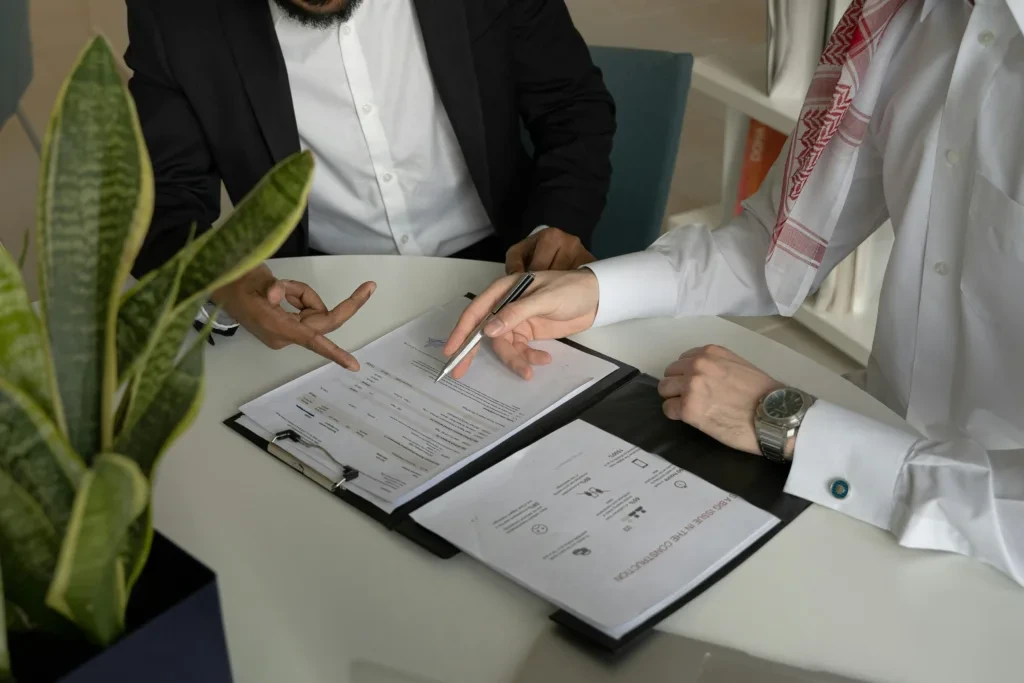
Purchasing property in Morocco involves a sequence of legal, financial, and registration steps. A qualified notary coordinates much of the formal transaction, verifies key documents, prepares the authentic deed, manages specified payments and taxes, and completes registration with the relevant authorities.
The exact process depends on the property's legal status and the structure of the sale. Buyers should confirm the scope, timetable, and fees directly with the appointed notary and obtain separate legal or technical advice when the transaction requires it.
Why Notaries Are Essential in Moroccan Property Deals
In Morocco, notaries are regulated legal professionals authorized to prepare and authenticate formal agreements, including property sales. They are expected to act impartially within the transaction and to ensure that the deed and completion process meet the applicable legal requirements.
For international investors, the notary serves as a trusted intermediary who verifies the validity of ownership documents and ensures compliance with Moroccan property laws. As explained in our guide on buying property in Morocco as a European investor, working with an experienced notary can save buyers from costly mistakes and delays.
Notaries also provide peace of mind by maintaining neutrality. Unlike agents or lawyers who may represent one side, notaries are legally obligated to protect the interests of all parties involved. This impartiality strengthens the transparency of the Moroccan property market and fosters investor confidence, particularly among foreigners entering the market for the first time.
Legal Responsibilities of Notaries in Moroccan Real Estate
The notary's work extends beyond witnessing signatures. Core responsibilities commonly include:
- Title Verification: Notaries confirm that the seller is the rightful owner and that the property is free from disputes, liens, or unpaid taxes.
- Contract Drafting and Authentication: They prepare the official deed of sale, incorporating all necessary clauses to safeguard the transaction.
- Registration with Authorities: After the sale, notaries ensure the property is properly registered with Morocco’s Land Registry, giving the buyer full legal ownership.
- Tax Collection: They collect and remit taxes due on the transaction, such as registration fees and transfer duties, directly to the government.
These duties make the notary a cornerstone of secure property deals. Their supervision guarantees that every step of the process, from initial agreement to final registration, complies with Moroccan law. For buyers seeking clarity, our article on ‘Is 2025 the right time to buy property in Marrakech?’ highlights how professional legal support adds value when entering the market.
How Notaries Protect Buyers and Sellers
One of the primary functions of notaries is safeguarding both buyers and sellers. They achieve this by reviewing every detail of the agreement, ensuring that obligations, deadlines, and payment conditions are clearly defined. This is particularly important for foreign buyers who may be unfamiliar with Moroccan real estate regulations.
For example, a notary will verify that the property’s boundaries match the official cadastral plan, confirm the absence of hidden debts, and include clauses that protect the buyer in case of late delivery or construction defects. Sellers also benefit from notarial oversight, as it ensures they receive payment only after all legal requirements have been met.
In high-value markets such as Marrakech, where investors target luxury villas or Airbnb-ready properties in areas like Palmeraie or Gueliz, the notary’s due diligence helps prevent fraud and strengthens trust between parties. Their work creates a transparent framework that supports long-term growth in Morocco’s real estate sector.
Fees and Costs Associated with Notaries
Understanding the notary's estimate is important when planning a Moroccan property purchase. Professional fees are only one part of the completion budget, which can also include registration, land registry, tax, certification, translation, and other transaction costs. The final amount depends on the asset, price, legal structure, and services required.
Request an itemized written estimate that separates professional remuneration from taxes, duties, registration charges, and third-party expenses. Rates and rules can change, so current figures should be confirmed for the specific transaction rather than inferred from a general percentage.
For higher-value properties, such as luxury villas in Hivernage or Palmeraie, fees may increase slightly because of the additional legal checks required. However, this cost is offset by the security and peace of mind provided by professional oversight. As mentioned in our guide on the best neighborhoods in Marrakech for Airbnb investment, a properly executed notarial contract ensures compliance and simplifies future resale or rental operations.
How to Choose a Reliable Notary in Morocco
Selecting the right notary is just as important as choosing the right property. Look for professionals registered with Morocco’s Ministry of Justice, as they are certified to practice and adhere to strict professional standards. Recommendations from trusted real estate agents, lawyers, or previous investors can also guide you toward reputable options.
When meeting potential notaries, ask about their experience with international clients, as foreign buyers may require extra support, such as translations or explanations of Moroccan legal terminology. A notary who regularly handles transactions for expatriates or European investors will understand your specific concerns and streamline the process.
It’s also advisable to discuss fees upfront and request a written estimate that includes all taxes, duties, and registration expenses. Transparency from the outset allows you to compare services and ensures there are no hidden charges later in the transaction.
Tips for Investors Working with Notaries
Investors can make the notarial process more efficient with careful preparation:
- Prepare Documents Early: Gather your identification papers, proof of funds, and any agreements with sellers before your first meeting.
- Understand Local Regulations: Read up on Morocco’s real estate laws, or consult our article on buying property in Morocco as a European investor to understand the legal framework.
- Use a Translator if Needed: If you’re not fluent in French or Arabic, ensure important documents are explained clearly to avoid misunderstandings.
- Maintain Open Communication: Regular updates from your notary will help you track progress and resolve any issues quickly.
Being proactive not only saves time but also minimizes the risk of delays or disputes. Working hand in hand with a qualified notary strengthens your position as an investor and protects your financial interests.
Conclusion: Why Notaries Are Key to Successful Property Deals
For anyone purchasing property in Morocco, especially in a dynamic market such as Marrakech, the notary is central to legal completion. Their work connects document review, the authentic deed, transaction payments, taxes, and registration.
Whether you’re acquiring a traditional riad in the Medina or a high-end villa in Palmeraie, a skilled notary guarantees that your transaction is legally sound and secure. Their work protects your investment and supports the growth of Morocco’s real estate market as a whole.
Contact us to discuss a property search and the professional support required for a well-documented purchase.